
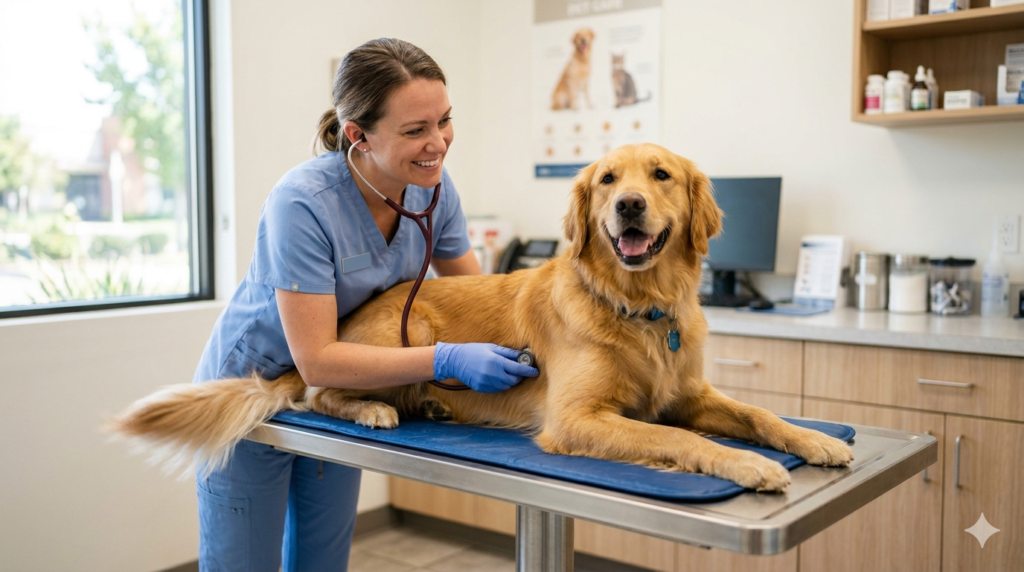
Regular Alta Animal Hospital Clovis visits do something a blood test alone never can — they build a health story for your pet that helps your veterinarian spot tiny changes before those changes turn into real problems. A pet wellness exam is that story in action. It is the single most underrated tool in preventive veterinary medicine, and yet most pet owners only think about it when something already feels off. By then, you are no longer preventing anything; you are reacting.
This guide walks through exactly how often your pet needs a wellness exam, what a proper pet check up looks like at each life stage, and the specific red flags that mean your next animal health check should not wait for the calendar.
Why Pet Wellness Exams Matter More Than You Think
Pets age roughly five to seven times faster than we do. A year between visits for a healthy middle-aged dog is the human equivalent of skipping your doctor for half a decade. A lot can happen in that window — weight gain, early dental disease, a heart murmur that was not there last spring, a slowly rising kidney value that still looks “normal” on its own but shows a concerning trend over time.
A wellness exam is where all of that gets caught. According to the American Veterinary Medical Association, routine preventive visits reduce the lifetime cost of pet care and improve outcomes across nearly every common chronic condition in dogs and cats. That is not marketing; it is the reason veterinarians keep saying the same thing every year.
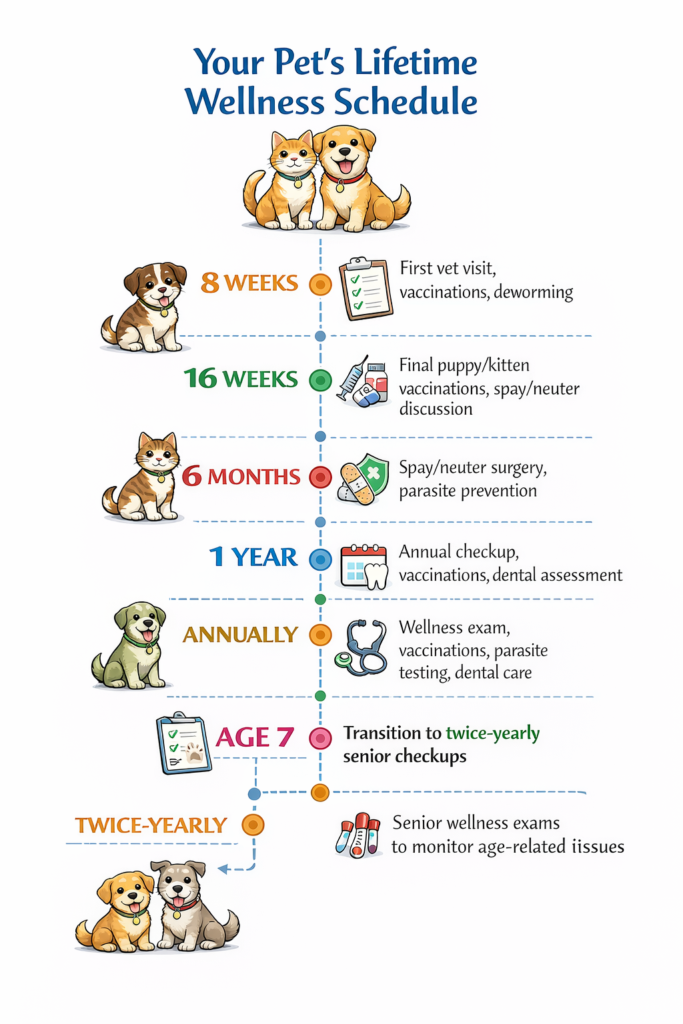
How Often Should Your Pet Get a Wellness Exam?
For Clovis families searching for a vet near me with a clear preventive-care philosophy, the short answer is: it depends on age, species, and any existing conditions. The long answer looks like this.
Puppies and Kittens (Under 1 Year)
Young pets need to be seen every three to four weeks from around six weeks of age until they are about four months old. This is when their initial vaccine series is completed, deworming happens on schedule, and your vet gets a look at growth, bite alignment, and behavior. After the puppy or kitten series finishes, the next visit is usually a six-month recheck and a spay or neuter consultation.
Adult Dogs and Cats (1–7 Years)
Healthy adult pets should have an annual wellness exam. Indoor cats are not exempt — they hide illness better than dogs do, and a yearly pet check up remains the only reliable way to catch early kidney disease, thyroid changes, or subtle dental pain they will never show you at home.
Senior Pets (7+ Years)
Once a dog or cat crosses the seven-year line, most veterinarians recommend shifting to a twice-yearly schedule. Aging pets benefit from more frequent bloodwork, blood pressure checks, and mobility assessments. If your pet is entering this stage, the senior pet care approach focuses on catching age-related disease in its earliest, most manageable phase.
Geriatric Pets (10+ Years)
For truly geriatric dogs and cats, a check up every four to six months is often appropriate, especially if a chronic condition is already being managed. Kidney disease, arthritis, and cognitive decline all progress quietly, and these visits become less about vaccines and more about quality of life.
What Happens During a Pet Check Up?
A thorough wellness exam is not a rubber stamp. Done properly, it is a full nose-to-tail evaluation that takes twenty to forty minutes and combines hands-on assessment with targeted diagnostics.
Nose-to-Tail Physical Examination
Your veterinarian listens to the heart and lungs, palpates the abdomen, checks lymph nodes, examines the eyes and ears, evaluates skin and coat condition, and assesses joint mobility. Much of what a good vet learns in a wellness visit comes from their hands, not a machine.
Weight, Nutrition, and Body Condition
Obesity is now the most common preventable condition in American pets. A proper wellness visit includes a body condition score and a frank conversation about diet. If your pet’s weight trend looks concerning, targeted nutritional counseling can reverse the trajectory before it turns into diabetes, arthritis, or heart strain.
Vaccination and Parasite Prevention Review
Core vaccines are not one-size-fits-all. Your veterinarian will review what is due, what is optional based on lifestyle, and what makes sense given local disease pressure in the Central Valley. The vaccinations and parasite prevention conversation should always factor in whether your pet boards, travels, hikes, or shares space with other animals.
Bloodwork and In-House Diagnostics
Annual bloodwork is the only reliable way to catch silent disease in its early stages. A complete chemistry panel, CBC, and urinalysis give a baseline that becomes priceless when something changes years later. Facilities with in-house diagnostics can often deliver these results during the same appointment, so treatment decisions happen the same day rather than three days later over the phone.
Dental and Oral Health Assessment
By age three, more than two-thirds of dogs and cats have some degree of periodontal disease. A visual oral exam during every wellness visit flags the animals who need a professional dental cleaning — and catches the ones who are already in pain but hiding it.
Signs Your Pet Needs an Animal Health Check Sooner
Skip the calendar if you notice any of the following. These are not emergencies in every case, but they are not wait-and-see either:
- Unexplained weight loss or gain over a few weeks
- Increased thirst or urination
- Changes in appetite — eating much more, much less, or becoming picky overnight
- Bad breath that has gotten worse, drooling, or pawing at the mouth
- New lumps or bumps, especially ones that grow or change color
- Stiffness, limping, or reluctance to jump onto familiar furniture
- Behavioral changes — withdrawal, irritability, confusion, or excessive vocalizing
- Chronic scratching, head shaking, or ear odor
Some of these can be a normal part of aging. Most of them are not. A timely visit is almost always cheaper and less stressful than what comes next if you wait. For a fuller list of what warrants urgent attention, our guide on signs your pet needs emergency vet care covers the situations where same-day attention is non-negotiable.
Case Study: How a Routine Wellness Exam Caught Kidney Disease Early
Last year, a ten-year-old indoor cat named Pepper came in for what her owner assumed was a boring annual visit. Pepper looked great — good weight, shiny coat, bright eyes, no complaints at home.
Her bloodwork told a different story. Her kidney values had drifted up since her previous panel eighteen months earlier. SDMA was elevated. Creatinine was at the top of the reference range. In isolation, either of those numbers could have been dismissed. Taken together, and compared to her prior baseline, they pointed to early Stage 2 chronic kidney disease.
Because the disease was caught early, Pepper’s owner was able to transition her to a prescription renal diet, add subcutaneous fluid support at home, and schedule quarterly rechecks. Two years later, Pepper is still comfortable, still eating, and still the same indifferent cat she has always been. Without that “boring” wellness exam, her diagnosis would have come later — likely after she stopped eating or started losing weight — with far fewer options and far worse outcomes.
Wellness Exam Schedule by Life Stage
| Life Stage | Age Range | Recommended Frequency | Key Focus Areas |
|---|---|---|---|
| Puppy / Kitten | 6 weeks – 12 months | Every 3–4 weeks, then 6-month recheck | Vaccines, deworming, growth, spay/neuter planning |
| Young Adult | 1 – 3 years | Annually | Dental baseline, weight, behavior, full physical |
| Mature Adult | 3 – 7 years | Annually | Bloodwork baseline, dental care, body condition |
| Senior | 7 – 10 years | Every 6 months | Organ function screening, joint health, vision |
| Geriatric | 10+ years | Every 4–6 months | Chronic disease management, quality of life |
Every pet is an individual, so your veterinarian may adjust these intervals based on breed, health history, and risk factors. Brachycephalic breeds, large-breed dogs, and cats with existing conditions often need tighter schedules.
How to Prepare for Your Pet’s Wellness Visit
A little preparation goes a long way. Before the appointment, jot down anything you have noticed — changes in water intake, stool consistency, energy level, or appetite — even if they seem minor. Bring a current list of medications, supplements, and the exact food brand and amount your pet eats daily. If your pet was seen by another clinic recently, have those records transferred or bring a printed copy. And if you are visiting a new veterinarian for the first time, resources like our how to choose the right veterinarian in Clovis guide can help you know what questions to ask at that first visit.
For anxious pets, consider a calming supplement cleared by your vet and skip the meal right before the visit to reduce car sickness and make treats more motivating during the exam.
The Cost of Skipping Routine Pet Check Ups
It is tempting to skip a year when your pet seems fine. The problem is that the conditions most likely to shorten a pet’s life — kidney disease, heart disease, diabetes, dental disease, cancer — are almost always silent in their earliest stages. By the time symptoms appear at home, the disease has usually been progressing for months or even years.
Research from the American Animal Hospital Association shows that pets on a consistent preventive-care schedule experience fewer emergency visits, lower lifetime treatment costs, and longer median lifespans than pets who are only seen when something is wrong. The wellness exam is not the expensive visit. The emergency that could have been caught a year earlier is.
Frequently Asked Questions
-
How long does a typical pet wellness exam take?
Most routine wellness visits take twenty to forty minutes from check-in to checkout. The exact length depends on your pet’s age, whether diagnostics are being run, and how many questions come up during the visit. Puppy and kitten visits and senior appointments usually run on the longer end because there is more to discuss. Walking in with a written list of concerns helps your veterinarian use the time efficiently and makes sure nothing important gets forgotten in the moment.
-
Can I combine my pet’s vaccinations with a wellness exam?
Yes, and you generally should. Combining dog vaccinations or cat vaccinations with a full check up is standard practice and makes sense for both you and your pet — one visit, one stressful car ride, one invoice. Your veterinarian will assess whether your pet is healthy enough to receive vaccines that day, update the vaccination schedule based on lifestyle and local disease risk, and confirm any boosters that are coming due in the next few months.
-
Do indoor-only cats really need annual wellness exams?
Yes. Indoor cats face different risks than outdoor cats, but they are not risk-free. Obesity, dental disease, diabetes, chronic kidney disease, and hyperthyroidism are all common indoor-cat conditions, and the Cornell Feline Health Center notes that cats are hardwired to hide weakness until disease is well advanced. A hands-on exam by your pet doctor remains the most reliable way to catch quiet problems early, even when your cat seems fine at home.
-
What should I do if I cannot afford yearly wellness visits?
Talk to your veterinary team before skipping the visit. Many practices offer payment plans, wellness packages that spread preventive care across the year, and third-party financing options that can make routine care more manageable. It is almost always cheaper to catch a condition during a wellness exam than to treat the emergency it becomes later. If money is tight, prioritize the exam itself and the bloodwork — those two elements give your veterinarian the most diagnostic value per dollar.
-
Can I walk in without an appointment for a pet check up?
Some clinics, including a walk-in vet near me option in Clovis, accept same-day wellness visits when the schedule allows, though appointments usually get priority and shorter wait times. For a full wellness exam with bloodwork, booking ahead is wise because it ensures the lab tech is available and gives the veterinary team time to prepare your pet’s records. For quick concerns like nail trims or a lump check, walk-ins are often fine — call ahead first.
Preventive care is the most reliable path to a longer, healthier life for your pet — and it starts with a single, unremarkable wellness exam.