
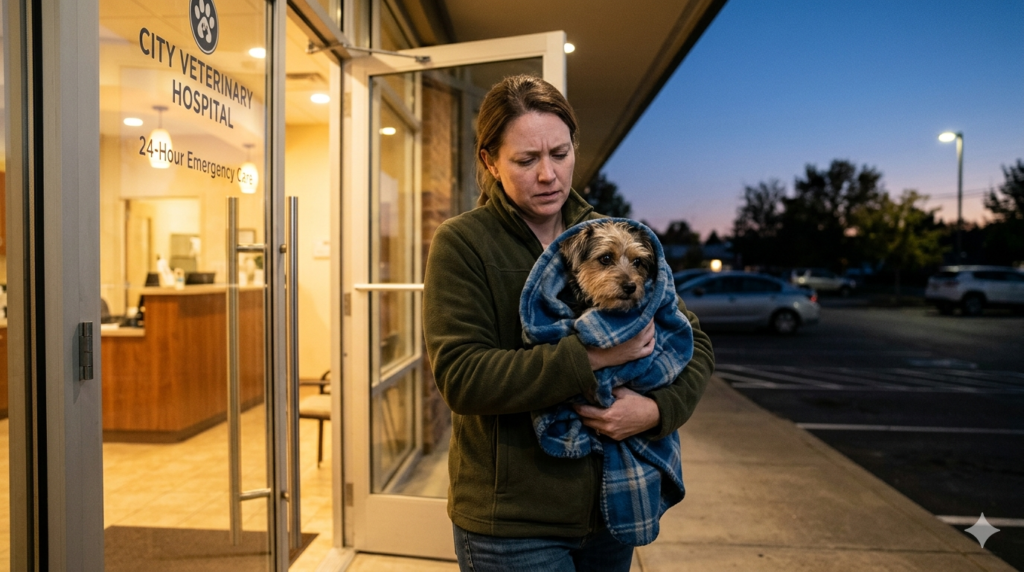
Nobody adopts a dog or brings home a kitten expecting to rush them to a veterinary hospital at nine o’clock on a Tuesday night. But emergencies do not send calendar invites. A chocolate bar left on the counter, a sudden seizure during a weekend barbecue, a cat that stops eating and hides under the bed for two straight days — these situations catch people completely off guard. And when panic sets in, most pet owners realize they have no idea where to go, what qualifies as an actual emergency, or how the process even works once they walk through the doors of an emergency vet in Clovis.
This guide exists so you can figure all of that out right now, while your pet is safe and healthy, instead of scrambling at the worst possible moment. If you are a pet owner anywhere in Clovis or the greater Fresno area, bookmark this page. You probably will not need it tomorrow. But when you do need it, you will be glad it was already here.
Alta Animal Hospital, located at 585 W Shaw Ave in Clovis, CA 93612, provides urgent and same-day veterinary care for pets experiencing non-life-threatening emergencies. For after-hours critical emergencies requiring overnight hospitalization, the team will guide you to the nearest 24-hour facility and coordinate follow-up care once your pet is stabilized.
How to Tell If Your Pet Is Having a Real Emergency
One of the hardest parts of owning a pet is figuring out whether something is a “wait and see” situation or a “get in the car right now” situation. Animals are notoriously good at hiding pain, which means by the time symptoms become obvious, the underlying problem may already be serious.
Here are warning signs that should send you looking for an emergency vet in Clovis without hesitation:
Difficulty breathing is always urgent. If your dog is gasping, your cat is open-mouth breathing (cats almost never do this unless something is very wrong), or you notice pale or bluish gums, do not wait. Respiratory distress can deteriorate within minutes.
Seizures are another non-negotiable. A single brief seizure that resolves on its own still warrants a same-day veterinary evaluation, but clusters of seizures or a seizure lasting more than two to three minutes requires immediate intervention. The same applies to sudden collapse, loss of consciousness, or an inability to stand.
Persistent vomiting or diarrhea — especially with blood — can lead to dangerous dehydration in a matter of hours. Small dogs, puppies, kittens, and senior pets are particularly vulnerable because they have less physiological reserve to buffer the fluid loss.
Trauma from car accidents, falls, dog fights, or any blunt impact should always be treated as an emergency even if the pet appears fine afterward. Internal injuries frequently do not present symptoms until hours later, and by that point, treatment becomes more complex and more expensive.
Suspected poisoning rounds out the list. Chocolate, xylitol (found in sugar-free gum), grapes, certain houseplants, rodenticides, and human medications like ibuprofen are all common toxins that Clovis pet owners encounter. Time is the single most important factor in toxin cases — the faster your pet receives treatment, the better the outcome.
If you are ever on the fence, call (559) 298-6509 and describe what you are seeing. A veterinary team that handles urgent vet care in Clovis every day can help you determine over the phone whether your pet needs to come in immediately or whether monitoring at home is safe for the next few hours.
What Actually Happens During an Emergency Vet Visit
Understanding the process ahead of time takes a lot of the fear out of it. Emergency veterinary visits follow a structured triage protocol, which means the sickest animals get seen first regardless of arrival order. This is not a first-come, first-served situation — it is the same logic human emergency rooms use.
When you arrive, the veterinary team will take a brief history from you: what happened, when it started, what your pet ate, and any medications or supplements your pet currently takes. From there, the veterinarian performs a rapid physical assessment — checking vitals, pain response, hydration status, and neurological function.
Most emergency cases require some form of diagnostic workup. Clinics equipped with in-house diagnostics can run bloodwork, urinalysis, and imaging on-site and return results within 30 minutes. This is a significant advantage over facilities that send samples to outside labs, because in emergency medicine, waiting 24 to 72 hours for blood results is not a realistic option when a pet is actively declining.
Once the veterinarian has a working diagnosis, they will walk you through treatment options, explain the risks and expected costs, and give you an honest assessment of the prognosis. Good emergency care is transparent — you should never feel blindsided by a bill or pressured into a decision without information.
Emergency Vet vs. Urgent Care: There Is a Difference
This is a distinction that trips up a lot of pet owners, and it matters more than most people realize.
A 24-hour emergency veterinary hospital is a facility staffed around the clock specifically for critical, life-threatening cases. Think major trauma, status epilepticus, GDV (gastric torsion), or a pet in active cardiac arrest. These hospitals typically have ICU capabilities, overnight monitoring staff, and access to board-certified specialists.
Urgent veterinary care, on the other hand, handles situations that are serious and time-sensitive but not necessarily life-threatening. A dog that ate something suspicious two hours ago, a cat with a sudden high fever, a pet that is limping badly after a fall — these are urgent, and they need professional attention the same day, but they do not necessarily require a full-blown ER setup.
In Clovis, pet owners who need urgent veterinary care during regular business hours have a practical, local option. Alta Animal Hospital accepts walk-ins and same-day appointments for urgent cases and can stabilize critically ill patients before referring to a 24-hour facility if overnight monitoring is needed.
Understanding the difference between a vet clinic vs veterinary hospital helps you make the right call when seconds count. A full-service veterinary hospital sits somewhere between a basic outpatient clinic and a dedicated ER — it can handle a wide range of urgent scenarios including emergency bloodwork, fluid therapy, wound management, toxin decontamination, and urgent veterinary surgical services like foreign body removal or abscess drainage.
Common Pet Emergencies in the Clovis and Fresno Area
Geography and climate influence the types of emergencies local veterinary teams encounter most frequently. Clovis and the broader Central Valley have some patterns worth knowing about.
Heat-related emergencies spike between May and October. The San Joaquin Valley regularly sees temperatures above 100°F during summer, and heatstroke in dogs is one of the most common preventable emergencies in the region. Brachycephalic breeds (bulldogs, pugs, Boston terriers) and senior pets are at highest risk. Never leave a pet in a parked car — interior temperatures can reach lethal levels in under ten minutes even with windows cracked.
Foxtail injuries are almost a rite of passage for dogs living in Central California. These barbed grass seeds embed themselves in paws, ears, noses, and eyes, and they only travel in one direction — deeper. Left untreated, foxtails can migrate internally and cause abscesses, respiratory infections, or worse. If your dog is suddenly sneezing violently after a walk through dry grass, that is an urgent vet visit.
Rattlesnake bites are a real concern in the foothills east of Clovis, particularly during the warmer months when snakes are most active. A rattlesnake bite causes rapid swelling, intense pain, and potential tissue necrosis. The window for effective treatment is narrow, and antivenin — if indicated — needs to be administered quickly.
Rodenticide and pesticide toxicity remains common in both urban and agricultural parts of the valley. Pets that roam outdoors or live on properties adjacent to farmland face elevated risk of accidental exposure to rodent bait, organophosphates, and other agricultural chemicals.
Keeping your pet current on vaccinations and parasite prevention does not prevent every emergency, but it eliminates several of them entirely and reduces the severity of others. A pet with an up-to-date health baseline is also easier for a veterinarian to assess during an urgent situation, because the team already knows what “normal” looks like for that individual animal.
How to Prepare for a Pet Emergency Before It Happens
The single best thing you can do is establish a relationship with a veterinary hospital before you ever need one for an emergency. When your pet’s medical records, vaccination history, and baseline bloodwork are already on file at a clinic, the veterinary team can act faster and more precisely during an urgent situation because they are not starting from zero.
Routine wellness and preventive care visits are the foundation for this. Annual exams, periodic bloodwork panels, and dental assessments create a health profile that becomes invaluable in an emergency. If a blood panel drawn during an urgent visit shows elevated liver enzymes, for instance, the vet needs to know whether that is a new finding or something that has been slowly trending upward for a year — the answer changes the entire diagnostic and treatment approach.
Beyond that, practical preparation makes a measurable difference. Keep a pet first aid kit at home with gauze, hydrogen peroxide (for inducing vomiting only when directed by a vet), a digital thermometer, and a spare leash or carrier. Store your veterinary hospital’s phone number — (559) 298-6509 for Alta Animal Hospital — in your phone’s contacts and on your refrigerator. Know the route to the nearest 24-hour emergency hospital in case you need it on a Sunday night. And make sure every family member and pet sitter in your household knows where these things are and what to do.
Choosing the Right Emergency Vet in Clovis, CA
Not every veterinary facility in Clovis and Fresno is equipped the same way, and during an emergency, those differences matter enormously. When evaluating where to take your pet for an emergency vet visit in Clovis, there are a few things that separate a capable facility from one that might end up referring you elsewhere anyway.
Diagnostic capability is the first thing to consider. A hospital with on-site digital radiography, rapid bloodwork panels, and urinalysis can diagnose conditions in minutes rather than days. This is particularly critical for toxin cases, internal bleeding, and organ failure — situations where delayed diagnosis directly worsens the outcome.
Surgical readiness matters because many emergencies ultimately require a procedure. Foreign body obstructions, lacerations, abscesses, and pyometra (uterine infection) all require surgical intervention, and a clinic without a surgical suite will have to stabilize your pet and transfer them — adding time, stress, and cost.
Communication and transparency are non-negotiable. You want a veterinary team that explains the situation clearly, discusses costs upfront, and respects your role in making decisions about your pet’s care. Multilingual support is a practical advantage in the Clovis and Fresno area, where many families are more comfortable discussing complex medical decisions in Spanish, Punjabi, or Hindi rather than English.
For a deeper look at what to evaluate when choosing a local veterinary provider, the guide on finding the best veterinarian near me in Clovis covers everything from credentials and facility capabilities to communication style and payment options.
What Pet Emergencies Actually Cost — and How to Handle the Bill
Nobody wants to talk about money when their pet is in pain, but financial anxiety is one of the biggest reasons pet owners delay seeking emergency care — and that delay can turn a treatable condition into a fatal one.
Emergency vet visits vary widely depending on the diagnosis and treatment required. A straightforward urgent visit with an exam and basic bloodwork costs significantly less than a case involving surgery, overnight hospitalization, and specialty referral. The important thing is to work with a clinic that is transparent about costs before treatment begins, so you can make informed decisions without surprises.
Pet insurance is the most effective financial safety net for emergencies, and the time to get it is long before you need it. Most policies have a waiting period, so enrolling after an emergency has already started will not help with that particular claim. If you do not have insurance, ask about payment plans. Many veterinary hospitals accept CareCredit, Cherry Pay, or similar financing options that let you spread the cost over time rather than paying everything upfront in a moment of crisis.
Frequently Asked Questions About Emergency Veterinary Care in Clovis, CA
-
What should I do if my pet has an emergency after hours in Clovis?
If your pet experiences a medical emergency outside of regular business hours, contact the nearest 24-hour emergency veterinary hospital in the Fresno area for immediate care. Alta Animal Hospital provides same-day urgent care during business hours and can coordinate post-emergency follow-up visits once your pet has been stabilized at an overnight facility. Call (559) 298-6509 during operating hours to schedule follow-up diagnostics or continued treatment. Having your pet’s records at a regular veterinary hospital makes transitions between emergency and ongoing care much smoother.
-
How do I know if my pet needs an emergency vet or can wait until morning?
If your pet is struggling to breathe, having seizures, bleeding heavily, unable to stand, or showing signs of poisoning, do not wait — seek veterinary emergency services near me immediately. Situations involving persistent vomiting, sudden lethargy, refusal to eat, or mild lameness can sometimes wait a few hours, but should still be evaluated the same day if possible. When in doubt, call your veterinary hospital and describe the symptoms. The team at Alta Animal Hospital can help you assess the urgency over the phone and recommend whether a same-day visit is necessary or if monitoring at home is appropriate.
-
Is an emergency vet visit in Clovis more expensive than a regular appointment?
The base exam fee for an urgent visit at most veterinary hospitals in Clovis is comparable to a standard office visit. The additional cost comes from diagnostics, treatments, and medications required to address the emergency itself. Bloodwork, imaging, IV fluids, surgery, and medications are billed based on what is medically necessary for your pet’s specific condition. Clinics that offer in-house diagnostics typically reduce overall costs by eliminating outside lab fees and enabling faster treatment, which can prevent conditions from progressing to more expensive stages.
-
Can I walk in for emergency pet care or do I need an appointment?
Alta Animal Hospital accepts walk-ins for urgent and same-day care during regular business hours. No appointment is required, though calling ahead at (559) 298-6509 is recommended so the team can prepare for your arrival and prioritize your pet’s case. Walk-in availability is especially important for pet emergencies because timing directly affects treatment outcomes. For critical emergencies requiring 24-hour monitoring, the hospital will refer you to a trusted emergency animal hospital near you in the Fresno area that can provide overnight intensive care.
-
What information should I bring to an emergency vet visit?
Bring any available medical records, your pet’s vaccination history, a list of current medications and supplements, and details about what happened — including when symptoms started and anything your pet may have ingested. If your pet has had recent bloodwork at another clinic, bring those results as well. This information helps the veterinary team skip unnecessary repeat testing and move directly to diagnosis and treatment. Families who maintain ongoing care at a single veterinary hospital benefit from having complete records already on file, which speeds up emergency triage considerably.
-
What types of emergencies can a daytime veterinary hospital handle vs. a 24-hour ER?
A full-service veterinary hospital equipped with an in-house lab and surgical suite can handle a broad range of urgent and emergency cases during operating hours — including toxin exposure, trauma stabilization, wound repair, emergency surgery, acute illness, and severe allergic reactions. Cases that require around-the-clock ICU monitoring, continuous overnight oxygen therapy, or board-certified specialist intervention are typically referred to a dedicated 24-hour emergency facility. Alta Animal Hospital stabilizes critical patients and facilitates smooth transfers when advanced overnight care is needed, ensuring continuity between emergency treatment and follow-up recovery care.
Alta Animal Hospital is located at 585 W Shaw Ave, Clovis, CA 93612. Call (559) 298-6509 for same-day appointments, walk-in urgent care, or to schedule a wellness visit for your pet. The clinic serves Clovis, Fresno, Sanger, and surrounding Central Valley communities.